

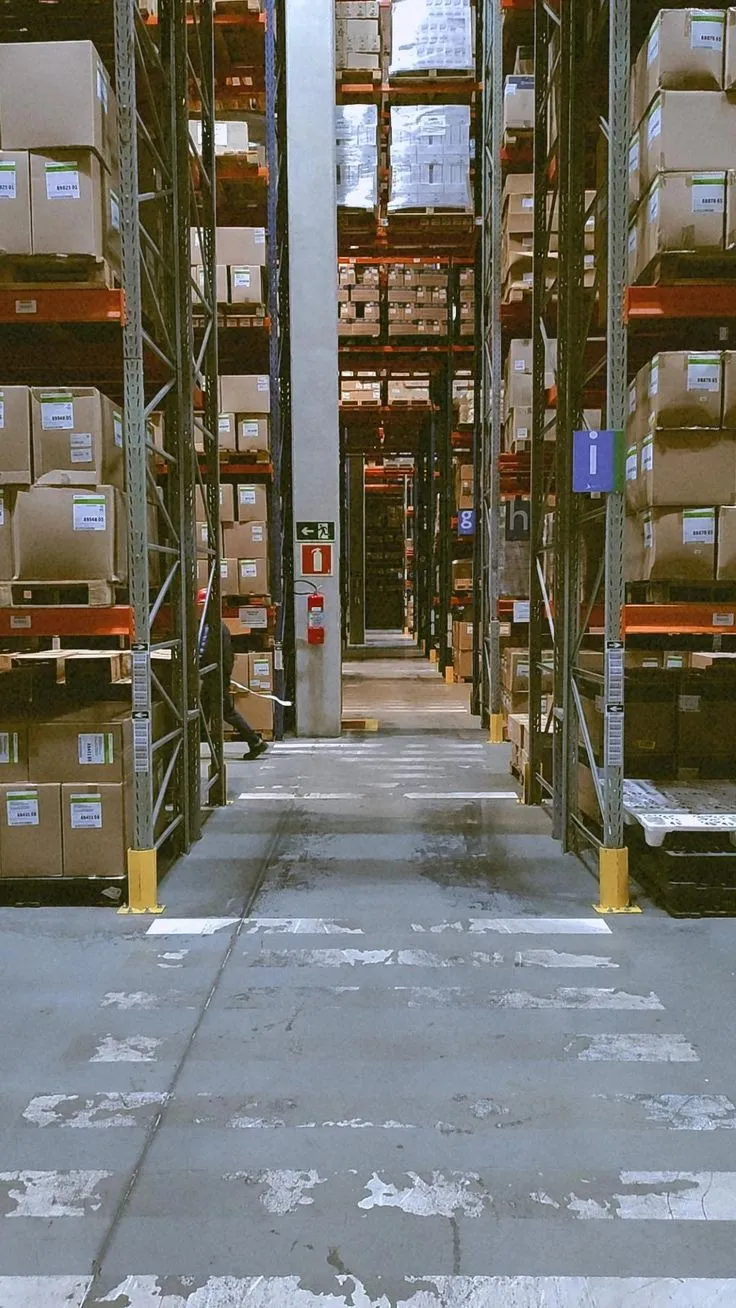
Warehouse floors support constant movement, heavy loads, storage systems, and repetitive vehicle traffic without drawing much attention. Problems usually become noticeable only when cracks widen, joint edges chip, or sections of the slab become uneven enough to affect forklifts and carts. At that point, the issue is no longer purely cosmetic. Uneven flooring can influence equipment movement, cleaning, traffic flow, and maintenance planning. Facility managers should therefore assess floor condition as part of warehouse operations rather than treating every defect as an isolated repair.
Small Level Changes Can Affect Vehicle Movement
Forklifts and pallet jacks rely on relatively consistent travel surfaces. Small elevation changes at joints, patches, or damaged concrete may create repeated impact as wheels cross them throughout the day. The effect can be most noticeable in narrow aisles, rack ends, staging zones, and busy intersections where equipment moves frequently. Even when a defect seems minor during a walk-through, hundreds of daily vehicle passes can make it a recurring concern.
Joint Damage Often Gets Worse With Traffic
Concrete joints can become vulnerable when their edges begin to deteriorate. Once a wheel strikes a chipped edge, the impact may enlarge the damage and create an increasingly rough transition.
Facilities speaking with Warehouse Flooring Contractors should ask how existing joints will be inspected and whether damaged edges need repair before a resinous flooring system is installed. Covering a failing joint without understanding its condition can leave the underlying weakness in place.
Patchwork Repairs Can Create New Transitions
Localized repairs are useful when damage is limited, but repeated patching over many years can produce a floor with multiple elevations, textures, and materials.
Some patches may sit slightly above or below the surrounding slab. Others may wear at a different rate. These differences can create additional vibration for wheeled equipment and make cleaning less consistent.
Before another repair is added, managers should review whether isolated patching still makes sense or whether broader resurfacing would provide a more uniform working surface.
Surface Preparation Should Address Weak Areas
A new resinous floor depends on the condition of the concrete beneath it. Loose material, old coatings, contamination, cracks, and poorly bonded repairs can affect adhesion.
Mechanical preparation such as grinding or shot blasting can remove unsuitable material and create the profile needed for the new system. This process may also expose hidden deterioration that was not obvious during the initial inspection.
When planning a New Jersey Epoxy Flooring Service, managers should allow time for substrate evaluation and repair rather than assuming coating application is the entire project.
Floor Condition Can Influence Housekeeping
Uneven or deteriorated floors can make routine cleaning more difficult. Dust and debris may collect around damaged joints, low spots, rough patches, and chipped areas.
A more continuous surface can simplify sweeping and scrubbing, but only if underlying defects are addressed before the final flooring layers are applied. Drainage and local low spots should also be reviewed where water is used during cleaning.
Maintenance teams can provide useful input because they often know which sections are hardest to keep clean long before renovation begins.
Traffic Maps Help Prioritize Repairs
Not every defect needs the same level of attention. A damaged area in a lightly used corner may have less operational impact than a smaller defect in a primary forklift lane.
Facility managers can map high-frequency routes, turning points, loading approaches, pedestrian crossings, and equipment zones. Comparing these routes with existing floor damage helps identify where repairs are most urgent.
This approach also supports phased projects by allowing the most disruptive or high-risk areas to be addressed first.
Reopening Should Be Planned Carefully
Floor repairs and resurfacing often require temporary traffic changes. Pallets may need relocation, aisles may be closed, and vehicles may require alternate routes while work is completed.
Managers should confirm when pedestrians, carts, forklifts, and heavier loads can return to each section. These times may differ depending on the flooring system and repair materials used.
Clear barriers and communication between maintenance teams, warehouse supervisors, and equipment operators can help prevent a newly completed area from being used before it is ready.
Conclusion
Uneven warehouse flooring can affect far more than appearance. Damaged joints, repeated patches, rough transitions, and weak concrete can influence vehicle movement, cleaning, maintenance, and traffic planning throughout the facility.
A stronger response begins by studying where defects occur and how often those locations are used. By combining traffic analysis with proper concrete preparation, targeted repair, realistic scheduling, and routine inspection, facility managers can make flooring decisions that support daily operations rather than simply covering visible damage. Treating the floor as operational infrastructure can lead to more consistent performance and fewer recurring repair problems.
