

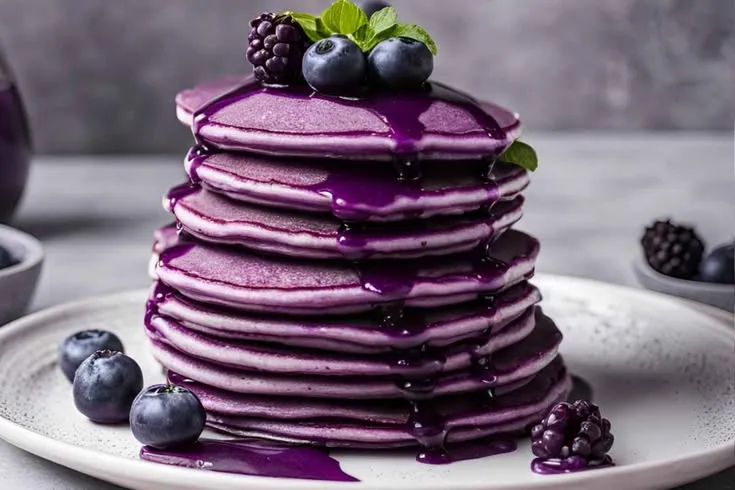
A developer may ask for a red or blue shade, but the real choice starts with the food itself. An Elderberry Color can look appealing in a sample, yet its final appearance depends on acidity, processing, storage, and the ingredients around it. Natural pigments do not behave like simple paint. They respond to the recipe. That is why early testing matters. Before choosing a source, formulators need to know the product’s pH, how much heat it will face, and how long it must keep its intended color.
Elderberry Works Best in Acidic Foods
FoodRGB describes black elderberry extract as a water-soluble color that can produce shades from bright red to warm purple. Its stated useful pH range is about 2.5 to 4.5, which makes it particularly relevant to acidic products. The company lists fruit preparations, juices, confectionery, frozen beverages, cocktails, mocktails, and jelly among suitable uses. FoodRGB also notes good resistance to light and heat, although its FAQ makes a useful distinction by describing the ingredient as heat resistant rather than completely heat stable in practice.
Blue Needs a Different Approach
Spirulina brings a completely different set of formulation questions. Its blue color comes mainly from phycocyanin, a pigment naturally present in spirulina. FoodRGB offers Spirulina Extract Color in powder, liquid, oil, and custom formulations, giving developers several ways to test it in different products. The company lists a working pH range of roughly 4.5 to 8.0 and describes fair heat and light resistance. Applications mentioned on the site include beverages, frozen drinks, confectionery, seasonings, and jelly, where a natural blue shade may be needed.
One Recipe Can Change the Shade
A pigment that performs well in water may look different once it meets the full recipe. Fruit solids, proteins, fats, minerals, flavors, and sweeteners can all influence how a color appears. Acidity is especially important with elderberry, while spirulina has its own preferred conditions. This is why testing should be done in the actual formulation whenever possible. A clear laboratory sample can be useful for comparison, but it cannot fully predict what will happen in a cloudy beverage, a gummy mixture, or a frozen dessert.
Processing Should Be Part of the Trial
The first sample is only the beginning. If a product will be heated, frozen, chilled, or mixed for a long period, the test should follow the same steps. A confectionery formula may expose color to heat before cooling, while a frozen beverage will face a very different process. These conditions can change intensity or shift the final shade. Developers get better information when they copy the commercial process during trials instead of judging the color immediately after mixing. That makes later scale-up much less surprising.
Packaging and Shelf Life Matter Too
Storage can reveal problems that are invisible on day one. Light, oxygen, temperature, and the type of packaging may all affect how a natural color holds up over time. A beverage in a clear bottle, for example, faces more light exposure than the same drink in an opaque package. Shelf testing should therefore match the conditions the product is likely to face after production. Checking samples at several points gives a clearer picture of color stability and helps prevent choosing an option that only looks good when freshly prepared.
Blending Can Create More Options
Natural color development does not always require one pigment to do everything. In some products, compatible colors can be blended to create shades that are difficult to reach with a single source. Spirulina blue, for instance, may become part of a green or purple system when paired with another suitable color. The key is compatibility. Each component still brings its own pH range, solubility, and processing limits. A blend works best when those requirements can exist together comfortably in the same formula, rather than fighting against one another.
Conclusion
Elderberry and spirulina show why natural food color selection depends on more than the shade a developer wants to see. Elderberry is well suited to many acidic red-to-purple applications, while spirulina offers a route to natural blue under a different set of formulation conditions. Manufacturers can use foodrgb.com to explore both options and review product-specific support. The most reliable choice usually comes from testing the color in the real recipe, putting it through the actual process, and checking how it performs during realistic storage.
